For many years, micro USB was one of the most common connectors found on smartphones, tablets, power banks, Bluetooth devices, cameras, and other electronics. Before the widespread adoption of USB-C, it served as the standard charging and data transfer interface for countless devices around the world.
Although newer technologies have entered the market, Micro USB remains relevant because millions of devices still rely on it for daily use. Many consumers continue to use Micro USB cables for charging accessories, transferring files, and powering portable electronics.
The connector became popular because of its compact size, affordability, and ability to support both charging and data communication. It helped manufacturers create smaller devices while maintaining compatibility with a wide range of accessories.
Today, understanding how Micro USB works, its advantages, limitations, and how it compares to newer standards can help users make informed decisions when purchasing cables, chargers, or electronic devices.
This guide covers everything you need to know about Micro USB, including its features, applications, benefits, and future relevance.
What Is Micro USB?
Micro USB is a small USB connector standard developed to provide charging and data transfer capabilities for compact electronic devices. It was introduced as an improvement over the larger Mini USB connector and quickly became the preferred solution for mobile electronics.
The connector consists of a compact port and matching cable that allow devices to receive power and exchange information with computers or other compatible equipment.
One of the main reasons for its success was its smaller size. As smartphones and portable electronics became thinner and lighter, manufacturers needed a connector that occupied less space without sacrificing functionality.
Micro USB supports both charging and data transfer through a single connection. Users can charge devices, transfer photos, sync files, update software, and connect accessories using the same cable.
For many years, Micro USB became the universal charging solution for Android devices and numerous consumer electronics products.
Even though newer alternatives are becoming more common, Micro USB continues to be found in many existing devices and accessories.
Common Devices That Use Micro USB
Despite the growing popularity of USB-C, Micro USB remains widely used across various electronic products.
Older Android smartphones are among the most recognizable devices that use this connector. Before USB-C became the industry standard, many major smartphone manufacturers relied on Micro USB charging ports.
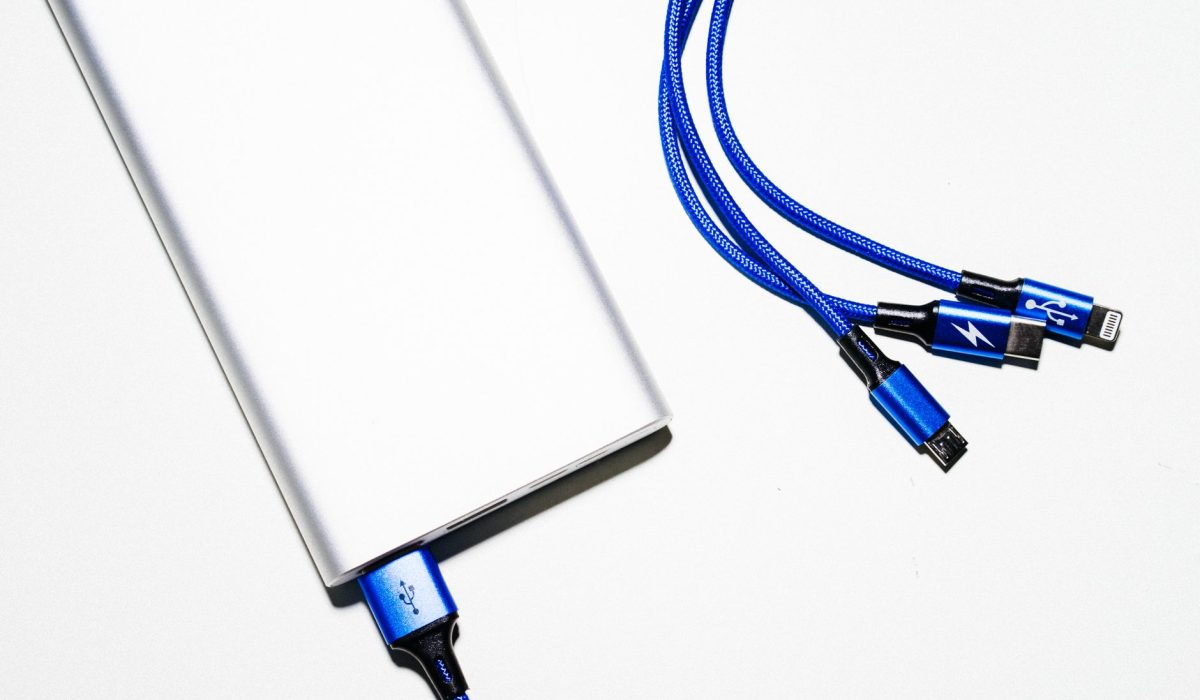
Power banks frequently use Micro USB ports for charging. Although many newer models now feature USB-C, numerous affordable and older power banks continue to utilize Micro USB connectivity.
Bluetooth speakers and wireless headphones often include Micro USB charging ports because of their low cost and widespread compatibility.
Digital cameras, e-readers, gaming accessories, GPS devices, portable media players, and fitness trackers may also use this connector.
Many household gadgets, including rechargeable flashlights, security cameras, and smart home accessories, continue to support Micro USB charging.
The widespread adoption of the connector means that many people still keep Micro USB cables available even if their primary devices have moved to newer standards.
Advantages of Micro USB Technology
Micro USB became popular for several reasons, many of which contributed to its long-lasting success.
One major advantage is affordability. Because it has been produced in massive quantities for years, Micro USB cables and accessories are generally inexpensive and widely available.
Compatibility is another important benefit. Millions of devices support the connector, making it easy to find replacement cables or chargers almost anywhere.
The connector's compact design allowed manufacturers to create thinner and more portable devices. Compared to older USB standards, it occupied significantly less space inside electronic products.
Micro USB also provides both charging and data transfer functions through a single cable. This versatility simplified device connectivity and reduced the need for multiple connectors.
Another advantage is its durability under normal use. While not as robust as some newer connectors, quality Micro USB cables can provide reliable performance for years when handled properly.
Its widespread adoption helped create a standardized charging ecosystem that reduced confusion for consumers and manufacturers alike.
These benefits explain why the connector remained dominant for such a long period.
Micro USB vs USB-C: Key Differences
One of the biggest developments in modern connectivity has been the transition from Micro USB to USB-C.
The most noticeable difference is connector orientation. A Micro USB cable can only be inserted in one direction, which often causes frustration when attempting to plug it in incorrectly. USB-C eliminates this issue by offering a reversible design that works regardless of orientation.
Charging performance is another significant difference. USB-C supports much higher power delivery capabilities, allowing compatible devices to charge faster than many Micro USB devices.
Data transfer speeds can also vary considerably. While Micro USB supports reliable data communication, USB-C can handle much faster transfer rates depending on the supported USB standard.
Durability is another area where USB-C generally performs better. The reversible design reduces wear and tear caused by repeated insertion attempts.
Future compatibility also favors USB-C. Most modern smartphones, tablets, laptops, and accessories now use USB-C as the preferred connection standard.
However, Micro USB remains practical for users who own older devices or accessories that continue to rely on the connector.
Understanding these differences helps consumers choose the right cables and devices for their needs.
Tips for Choosing a Quality Micro USB Cable
Not all Micro USB cables offer the same level of performance and reliability. Choosing a high-quality cable can improve charging efficiency and extend the lifespan of your devices.
Cable construction is one of the first factors to consider. Reinforced connectors and durable outer materials help prevent fraying and damage from daily use.
Length is another important consideration. Shorter cables often provide more efficient charging, while longer cables offer greater convenience in certain situations.
Charging speed depends on cable quality and compatibility. Some low-quality cables may limit charging performance even when used with capable chargers.
Data transfer support is also important for users who regularly move files between devices and computers. A quality cable should support both charging and data communication effectively.
Certified products from reputable manufacturers often provide better reliability than extremely inexpensive alternatives.
Regular inspection of cables can help identify signs of wear before they become safety concerns. Replacing damaged cables promptly can prevent charging issues and protect connected devices.
Investing in a well-made cable can save money and frustration in the long run.
Final Thought
Micro USB played a crucial role in the development of modern mobile technology. For many years, it served as the standard connector for smartphones, tablets, power banks, cameras, and countless other electronic devices.
Although USB-C is gradually replacing it in newer products, Micro USB remains highly relevant due to the enormous number of devices still in use today. Its affordability, widespread compatibility, and reliable performance continue to make it a practical solution for many consumers.
Whether you are replacing a cable, charging an older device, or simply learning about different connector standards, understanding Micro USB can help you make better technology decisions. While the future may belong to newer connection technologies, Micro USB has earned its place as one of the most influential connectors in consumer electronics history.
FAQs
What is Micro USB used for?
Micro USB is used for charging devices and transferring data between electronic devices and computers.
Is Micro USB still used today?
Yes. Although USB-C is becoming more common, many devices such as power banks, Bluetooth speakers, cameras, and older smartphones still use Micro USB.
What is the difference between Micro USB and USB-C?
USB-C offers a reversible connector, faster charging, higher data transfer speeds, and better future compatibility compared to Micro USB.
Can Micro USB transfer data?
Yes. Micro USB supports both charging and data transfer, allowing users to move files between devices and computers.
Are all Micro USB cables the same?
No. Cable quality, charging speed, durability, and data transfer performance can vary significantly between manufacturers.
Why does Micro USB only fit one way?
The connector was designed with a specific orientation, meaning it must be inserted correctly to function properly.
Can I use a Micro USB charger with any Micro USB device?
In most cases, yes. However, charging speed and compatibility may vary depending on the device and charger specifications.